
National Park Service - Restoring Sagebrush Steppe in Idaho

Plants in Action Series
The National Park Service and its staff have spent the last 10 years restoring and enhancing Southeastern Idaho through projects at two sites - Craters of the Moon National Monument & Preserve and Minidoka National Historic Site.
Craters of the Moon National Monument
The 2016 fire season brought devastation to Craters of the Moon, but NPS staff and personnel have been working hard to restore the native vegetation that was burned in the Moon Fire.
It is common after a natural disaster like fire for non-native and noxious species to be the first to colonize the bare ground. Without competition, these species like knapweed and cheatgrass create even more of an issue than just burned vegetation. Such was the case after the Moon Fire, with cheatgrass becoming the dominant vegetation in the burn scar.

Following extensive cheatgrass treatments at Craters of the Moon, the National Park Service began the long journey of restoring the native perennial vegetation. Using seed collected at the Preserve, Great Bear Native Plants grew plugs that were used to accelerate the process of recolonization of native species and rehabilitation of the soil and natural environment.
The 2025 planting season was the 10th and final year of COTM’s burned area recovery funds. The National Park Service has put great effort into ensuring that the plantings are successful and that the area is able to recover naturally from here on.
Species Highlights:
Big Sagebrush (Artemisia tridentata)
Antelope Bitterbrush (Purshia tridentata)
Indian Ricegrass (Achnatherum hymenoides)
Minidoka National Historic Site
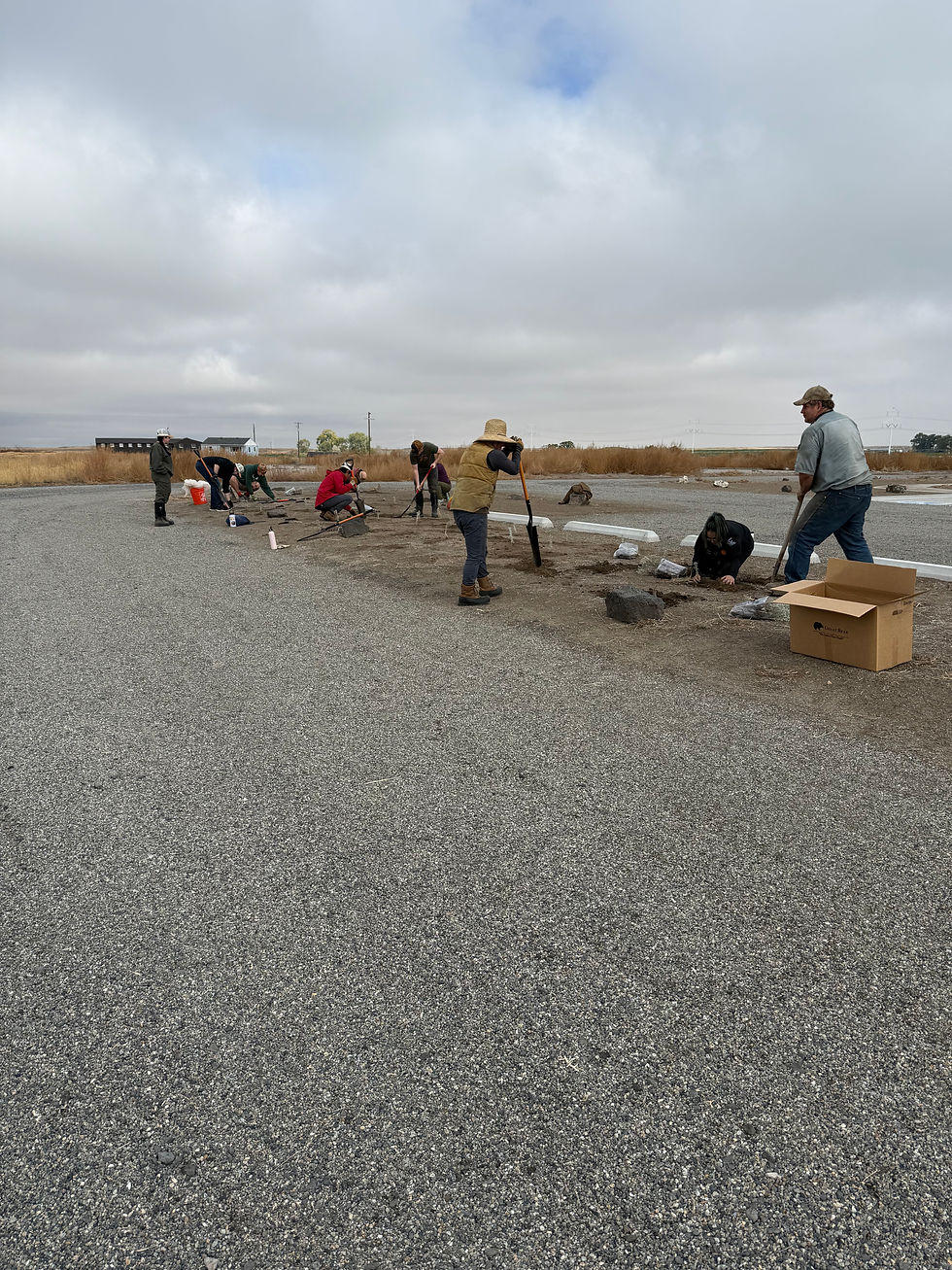
The National Park Service at Minidoka National Historic Site has completed a project aimed to enhance the cultural landscape through native perennial plantings. Plugs grown by Great Bear were used in plantings at the North Side Canal restoration site as well as the Minidoka Visitor Center.
While this part of the project is complete, there will be additional projects at the Historic Site in the future as the landscape is managed to combat exotic annuals.
The ultimate goal is to restore the Minidoka National Historic Site to a restored sagebrush steppe.
Species Highlights:
Basin Big Sagebrush (Artemisia tridentata v. tridentata)
Wyoming Big Sagebrush (Artemisia tridenata v. wyomingensis)
Rubber Rabbitbrush (Ericameria nauseaosa)
Woods Rose (Rosa woodsii)
White Sagebrush (Artemisia ludoviciana)
Greasewood (Sarcobatus vermiculatum)
Golden Currant (Ribes aureum)


Comments