
Featured Plant - White Sagebrush

White Sagebrush (Artemisia ludoviciana) is a widely distributed, fast growing sage iconic in the prairie landscapes of the mid and inter-mountain west.
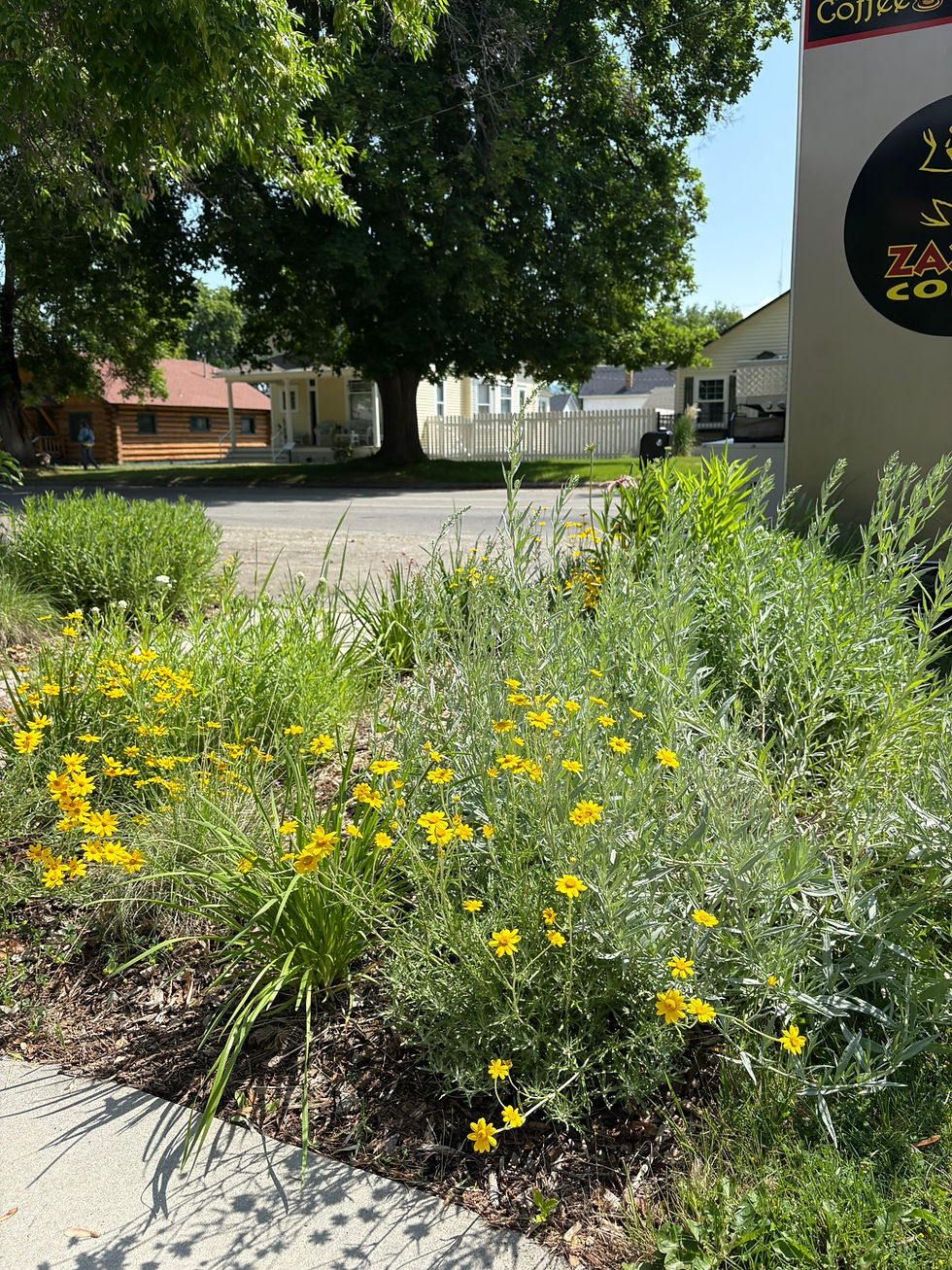
This highly drought-tolerant shrub spreads rhizomatously through its roots to quickly form dense colonies in sunny sites with dry soil. Growing up to 3 ft tall, White Sagebrush is commonly found growing in full sun landscapes across the US and Canada.
Yellow blooms appear in the late summer (July-September) and attract many pollinators throughout the driest months of the year. In addition to providing a pollen source, White Sagebrush also serves as an important food source for wild game and sage grouse.
White Sagebrush is used for sage bundles used by indigenous communities for smudging and ceremonies.
When planting White Sagebrush in your yard, please note its spreading nature, so it is not always suitable for small landscape plantings.
However, it tolerates pruning and can be trimmed to maintain shape. Once established, White Sagebrush is highly drought tolerant and requires little supplemental water .

Plant White Sagebrush with Maximillian Sunflower, Silvery Lupine, and Common Blanketflower.
It is hardy to USDA Zones 3-7.
Photos provided by Great Bear Native Plants, Map provided by BONAP
Summary:
Bloom Time: July - September | Water Use: Medium - Low |
Bloom Color: Yellow | Sun: Full Sun |
Plant Height: up to 3ft | Hardiness: 3-7 |
Sources:


Comments